If you approve payroll every pay period, it’s easy to assume everything is flowing exactly where it should.
Unfortunately, that confidence is increasingly being exploited.
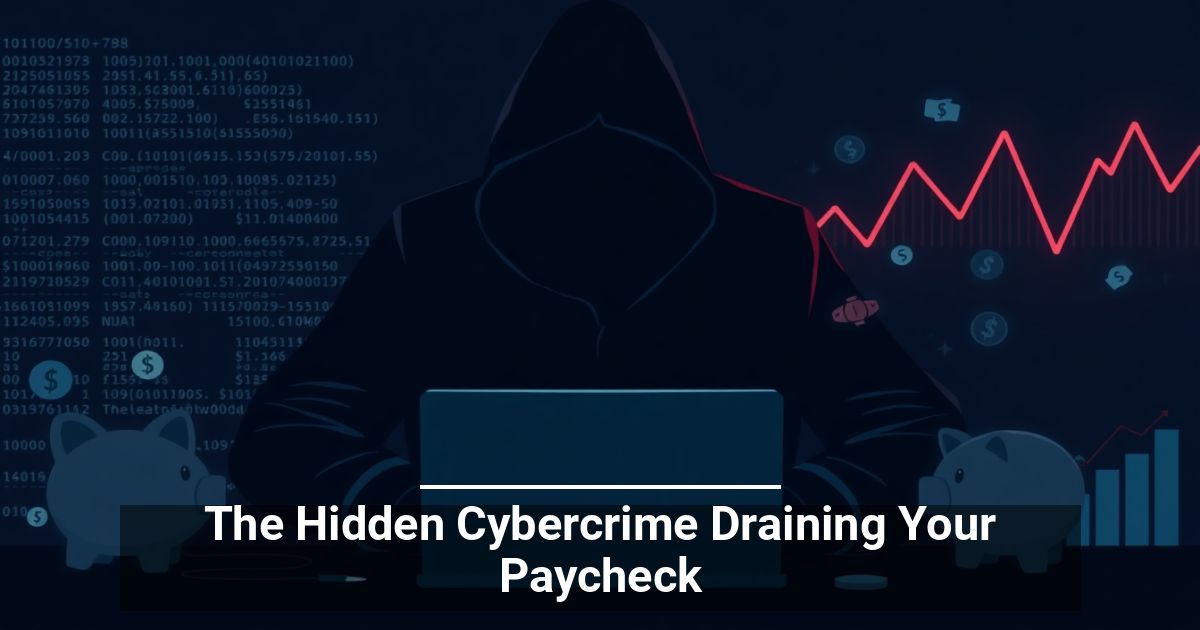
According to recent threat intelligence from Okta, payroll fraud is quietly becoming one of the most profitable cybercrimes targeting small and mid-sized businesses. Instead of locking up systems or causing obvious disruption, attackers are choosing a stealthier approach: redirecting paychecks and bonuses before anyone notices.
By the time the issue surfaces, the money is already gone.
Why Payroll Has Become a Prime Target
Cybercriminals follow consistency, and payroll checks every box. It’s predictable, trusted, and processed on a tight schedule. While employees would quickly notice a missing weekly paycheck, attackers often aim for bonuses, commissions, or holiday pay, when amounts vary and scrutiny drops.
Payroll diversion fraud and direct deposit hijacking typically involve changing bank routing information for just one or two employees—often higher earners. Once altered, the funds are quietly deposited into an account controlled by the attacker.
What makes this even more concerning is how little technical hacking is involved.
How Attackers Get In Without “Hacking”
In many cases, payroll fraud doesn’t start with malware or breached servers. It starts with social engineering.
Attackers impersonate employees by calling or emailing HR or the help desk. They often already have enough personal details—gathered from LinkedIn, past data breaches, or social media—to sound legitimate. Claiming they’re locked out of the benefits portal or urgently need to update direct deposit details, they push for quick action.
During busy periods like year-end payroll or bonus season, these requests are more likely to slip through without proper verification.
Why Security Tools Often Miss Payroll Fraud
Traditional cybersecurity tools aren’t designed to catch this kind of attack.
Firewalls, antivirus software, and endpoint protection don’t flag payroll changes made through approved systems. From a technical standpoint, everything looks normal. That’s why payroll diversion fraud often goes unnoticed until an employee reports a missing deposit.
By then, recovering the funds can be difficult and time-consuming—if it’s possible at all.
Practical Ways to Reduce Payroll Fraud Risk
Protecting payroll isn’t about adding more software. It’s about tightening processes.
To reduce exposure to payroll fraud and holiday bonus phishing scams, businesses should consider:
-
Requiring multi-step verification for any payroll or direct deposit change
-
Separating duties so no single person can approve changes alone
-
Adding extra review time for payroll updates during bonus cycles
-
Training HR and help desk teams to spot employee impersonation tactics
-
Encouraging employees to verify changes through known internal contacts
These controls are simple, low-cost, and highly effective when applied consistently.
Why This Threat Isn’t Going Away
Payroll fraud works because it’s low risk for attackers and highly profitable. Most successful cases rely on rushed approvals and skipped verification—not advanced hacking techniques.
The upside is that tightening just a few steps can dramatically reduce your risk. Reviewing payroll procedures and reinforcing verification now can prevent an expensive and demoralizing surprise later.
If your payroll or HR processes haven’t been reviewed recently, this is a good time to do it.