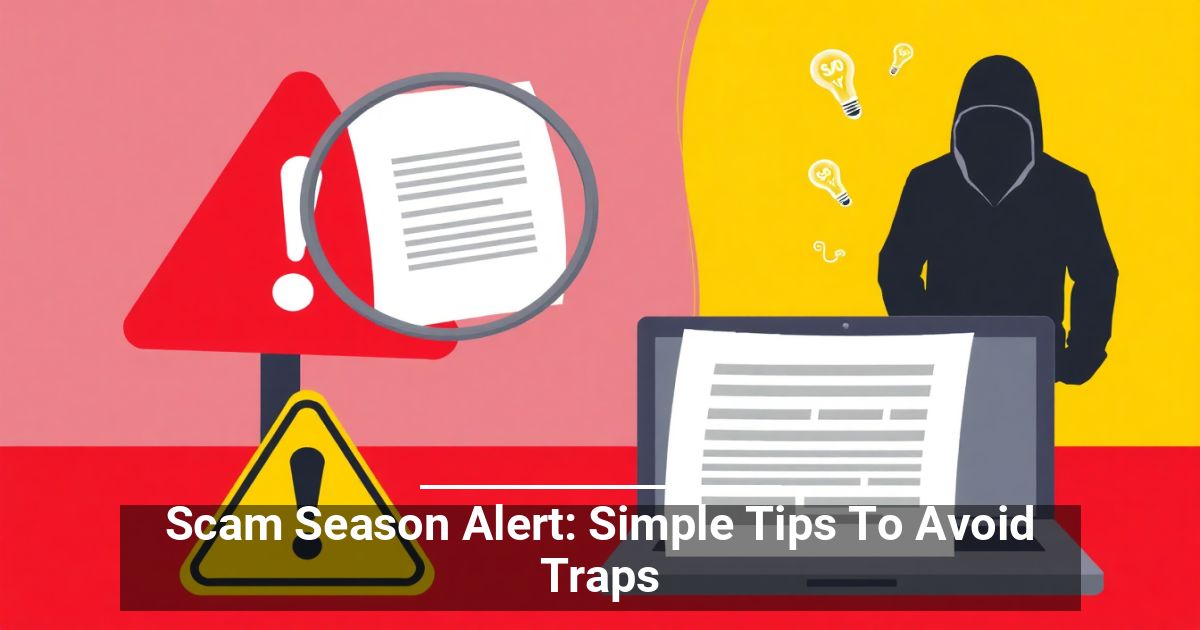
For many business owners, learning how to avoid scams can feel like a second job. Unfortunately, scam season doesn’t wait for a slow moment in your day.
By early Q1, inboxes and phones are already flooded with fake bank alerts, delivery notices, and “urgent” account warnings—often hitting before you’ve even finished your morning coffee. These scams are fast, convincing, and designed to catch you when you’re busy.
Why Your Phone Has Become a Scammer’s Favorite Target
If your phone feels like a scam magnet lately, you’re not imagining it. SMS scams—often called smishing—are surging.
These messages are crafted to look like legitimate communications from banks, shipping companies, or vendors you actually use. They rely on urgency and fear to push quick decisions, hoping you’ll tap before thinking.
Phones are especially vulnerable because they don’t have the same layered defenses as desktops, and business owners use them for approvals, logins, and financial access. Texts also feel more personal and trustworthy than emails, which makes them harder to ignore.
That combination creates the perfect opening for identity theft, fraudulent payments, and account takeovers.
How to Spot Smishing Before It Costs You
Most online scams succeed because people are busy, not careless. Attackers know you’re moving fast and counting on convenience.
Fraud prevention starts with slowing down.
Watch for red flags like:
- Messages demanding immediate action
- Poor grammar or awkward wording
- Unknown numbers claiming to be your bank or a vendor
- Alerts about packages or charges you don’t recognize
Legitimate companies don’t ask for passwords, codes, or personal information via text. If a message claims there’s an issue, don’t click the link. Open the official app or website instead and check directly.
One Simple Rule That Stops Most SMS Scams
Security researchers consistently agree on one thing: never click links in unsolicited texts, no matter how legitimate they look.
These links often lead to fake login pages or malware downloads. Even replying “STOP” can confirm your number is active, inviting more scam attempts. Your best move is to delete the message and block the sender.
Keeping your phone updated is another easy win. Software updates patch known vulnerabilities, and mobile security tools can flag risky links if something slips through.
Multi-factor authentication on business accounts adds another layer of protection, and regular team education helps prevent one distracted click from turning into a costly incident.
Make Scam Awareness Part of Your Business Strategy
Knowing how to avoid scams isn’t just personal protection—it’s a business skill. Threats change constantly, but awareness, verification, and caution remain effective.
Scam prevention comes down to questioning urgency, verifying independently, and protecting access to critical systems. Those habits reduce risk far more than most people realize.