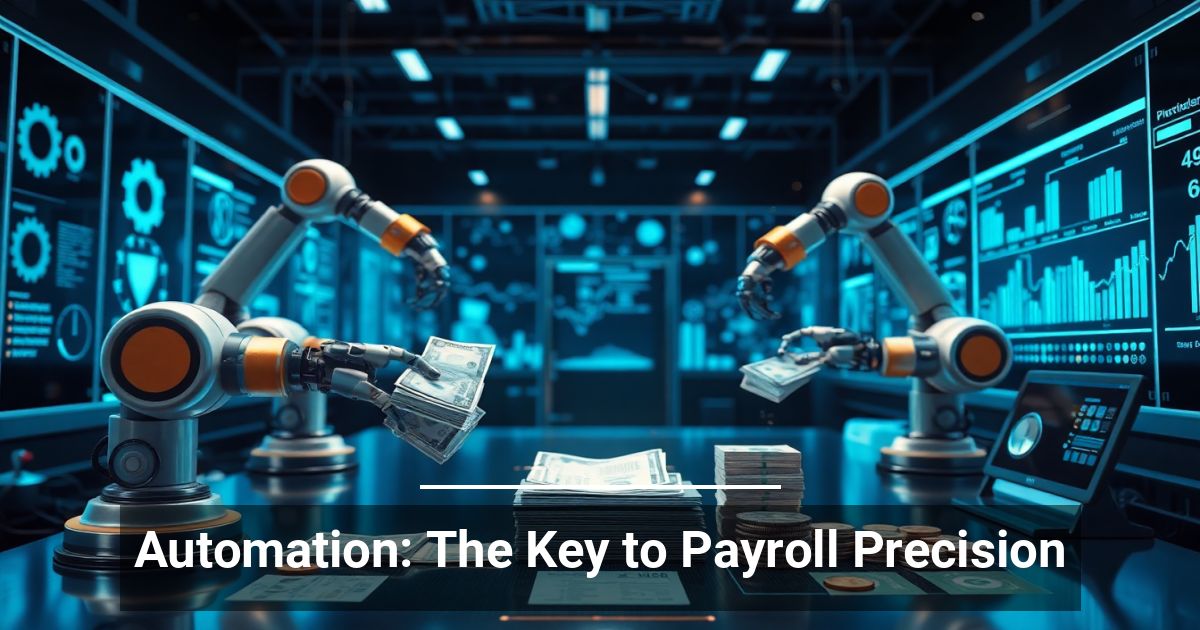
When it comes to payroll, “close enough” is never enough. Even a small miscalculation in hourly rates or overtime can trigger bounced checks, angry employees, and costly fines from the Department of Labor. For New Jersey businesses, payroll errors aren’t just inconvenient—they can be expensive and compliance-breaking.
Payroll automation changes that reality by catching mistakes before they ever affect employees’ bank accounts, giving business owners peace of mind.
The Hidden Costs of Manual Payroll
Manual payroll processing requires validating dozens of data points per employee, from hours worked and tax withholdings to benefit deductions and garnishments. Even with checklists, human errors happen: a typo, an outdated tax table, or a misentered timesheet can create hours of corrective work.
For New Jersey employers, these mistakes can escalate quickly. State-specific labor laws and local tax requirements add complexity, increasing the risk of penalties and audits. Automation closes these gaps, ensuring that calculations are accurate, compliant, and consistent every pay cycle.
How Payroll Automation Reduces Risk
Modern payroll systems leverage artificial intelligence (AI) and robotic process automation (RPA) to reduce repetitive work and flag anomalies. AI can spot red flags, such as a team member logging 200 hours in a week, while RPA handles calculations without error or fatigue.
Time tracking integrates directly with payroll software, eliminating transcription errors. New hire data flows automatically from applicant tracking systems, and terminations are processed immediately, preventing overpayments or compliance gaps. Tax tables, overtime rules, and deductions update in real time, reducing the chance of costly mistakes.
Real-World Benefits for New Jersey Businesses
Compliance Made Simple: Automated payroll ensures your company is always aligned with federal and New Jersey labor laws. Regulatory changes are implemented instantly, eliminating last-minute scrambling during audits or year-end reporting.
Employee Self-Service: Portals allow employees to access pay stubs, download W-2s, and update personal information without burdening HR or payroll staff.
Integrated HR Workflows: Payroll automation connects hiring, benefits, and paychecks. A new employee’s salary, tax elections, and 401(k) contributions are automatically processed in their first paycheck, with benefits changes reflected instantly during open enrollment.
Time and Cost Savings: Payroll that once took days can now be completed in hours. Staff no longer need to work weekends during year-end close, freeing teams to focus on higher-value tasks.
Start Small, Scale Smart
You don’t need to overhaul payroll overnight. New Jersey companies can begin with smaller automations, like macros for calculations or analytics dashboards to detect unusual patterns in overtime or late submissions. Solutions can scale as your business grows.
By automating payroll, you protect employees who rely on accurate paychecks and shield your company from compliance penalties. Technology handles repetitive, error-prone tasks, allowing your team to focus on strategic work instead of firefighting mistakes.