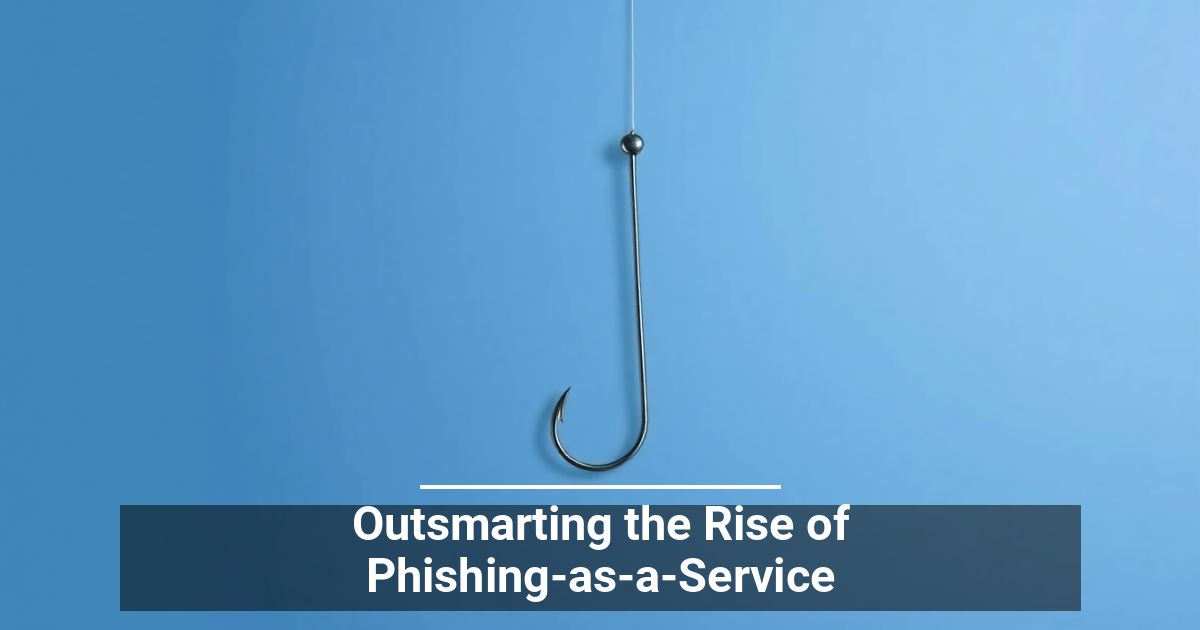
Cybercrime isn’t just evolving—it’s scaling. One of the fastest-growing threats facing New Jersey and Greater Philadelphia businesses today is Phishing-as-a-Service (PhaaS). And here’s the problem: attackers no longer need advanced technical skills to launch highly convincing scams.
Instead, they’re subscribing to ready-made phishing platforms that do most of the work for them.
If your business relies on email, cloud apps, or remote access (and let’s be honest—most do), this is a threat you can’t afford to ignore.
What Is Phishing-as-a-Service (PhaaS)?
Phishing-as-a-Service is exactly what it sounds like: a subscription-based cybercrime model. Just like legitimate SaaS platforms, PhaaS providers offer tools, templates, and infrastructure—for a fee.
Attackers get access to:
- Fake login pages that mimic Microsoft 365, banks, or CRMs
- Pre-written phishing email templates
- Hosting services designed to avoid takedowns
- Dashboards to track stolen credentials
It’s cybercrime with a user-friendly interface.
For businesses in competitive NJ markets, where speed and communication matter, that creates a dangerous combination of convenience and vulnerability.
Why PhaaS Is Growing So Fast
The barrier to entry has dropped dramatically. What used to require technical expertise can now be done with a few clicks.
Subscription-Based Cybercrime
Much like Netflix or Spotify, attackers can subscribe to phishing platforms that are constantly updated. These services even offer “customer support” to help users launch campaigns more effectively.
One-Time Phishing Kits
Not every attacker subscribes. Some purchase one-time phishing kits that include everything needed to run a scam. These kits range from basic to highly advanced.
Either way, the result is the same: more attacks, more often, and more convincing than ever.
Why These Attacks Are So Hard to Detect
Modern phishing campaigns don’t look like scams anymore.
Attackers now:
- Use compromised legitimate websites to host phishing pages
- Mimic real brands with near-perfect accuracy
- Send emails that match normal business communication
- Launch automated campaigns at scale
That means your employees aren’t just spotting obvious red flags—they’re being targeted with messages that look completely routine.
This is where businesses often underestimate risk. It’s not about careless employees—it’s about increasingly sophisticated attacks.
The Real Risk for NJ & Philadelphia Businesses
If your team uses tools like Microsoft 365, Google Workspace, or cloud-based CRMs, you’re a prime target.
One compromised login can lead to:
- Data breaches
- Financial fraud
- Ransomware attacks
- Client trust issues
And in industries with compliance requirements—like healthcare, legal, or finance—the consequences can escalate quickly.
That’s why many local companies are turning to managed cybersecurity services and advanced threat protection solutions to stay ahead.
How to Protect Your Business from PhaaS
There’s no single fix. The best defense is layered, combining people, processes, and technology.
1. Train Your Employees
Your team is your first line of defense. Regular cybersecurity awareness training helps them spot suspicious emails, links, and requests.
2. Enforce Multi-Factor Authentication (MFA)
Even if credentials are stolen, MFA adds a critical layer of protection. It should be standard across all business systems.
3. Use Advanced Email Security Tools
Basic spam filters aren’t enough anymore. Modern threats require smarter filtering and real-time threat detection.
4. Keep Systems Updated
Outdated software creates vulnerabilities attackers can exploit. Regular patching closes those gaps.
5. Monitor for Unusual Activity
Early detection can stop an attack before it spreads. Monitoring tools help flag suspicious logins or behavior.
If your current setup feels reactive instead of proactive, it may be time to rethink your approach.
Why a Proactive Approach Matters
Phishing-as-a-Service isn’t going away. In fact, it’s getting more advanced and more accessible.
Businesses that treat cybersecurity as a one-time setup—or just another checkbox—are the ones most at risk.
The smarter approach? Build a security strategy that evolves alongside the threats.
That includes regular reviews, updated tools, and expert guidance to make sure nothing slips through the cracks.
FAQs About Phishing-as-a-Service
What is Phishing-as-a-Service?
It’s a subscription-based model where cybercriminals pay for ready-made phishing tools and campaigns, making attacks easier to launch.
Why are phishing attacks increasing?
Because tools are now widely available and easy to use, even for non-technical attackers.
How can I tell if an email is a phishing attempt?
Look for unusual links, unexpected attachments, urgent language, or login requests. When in doubt, verify through another channel.
Is MFA enough to stop phishing attacks?
MFA significantly reduces risk, but it should be combined with training, monitoring, and email security tools.
Do small businesses in NJ need advanced cybersecurity?
Absolutely. Small and mid-sized businesses are often targeted because they tend to have fewer protections in place.
Stay Ahead of Modern Cyber Threats
Phishing-as-a-Service has changed the game—but that doesn’t mean your business has to fall behind.
With the right strategy, tools, and support, you can reduce risk, protect your data, and keep operations running smoothly.
Book a discovery call today to see how we help New Jersey and Greater Philadelphia businesses strengthen their cybersecurity without slowing down productivity.
No scare tactics. Just smart, practical protection.