Ransomware continues to be one of the biggest cybersecurity threats facing businesses today. While many attacks make headlines for targeting large organizations, small and midsize businesses remain frequent targets because they often have fewer security resources.
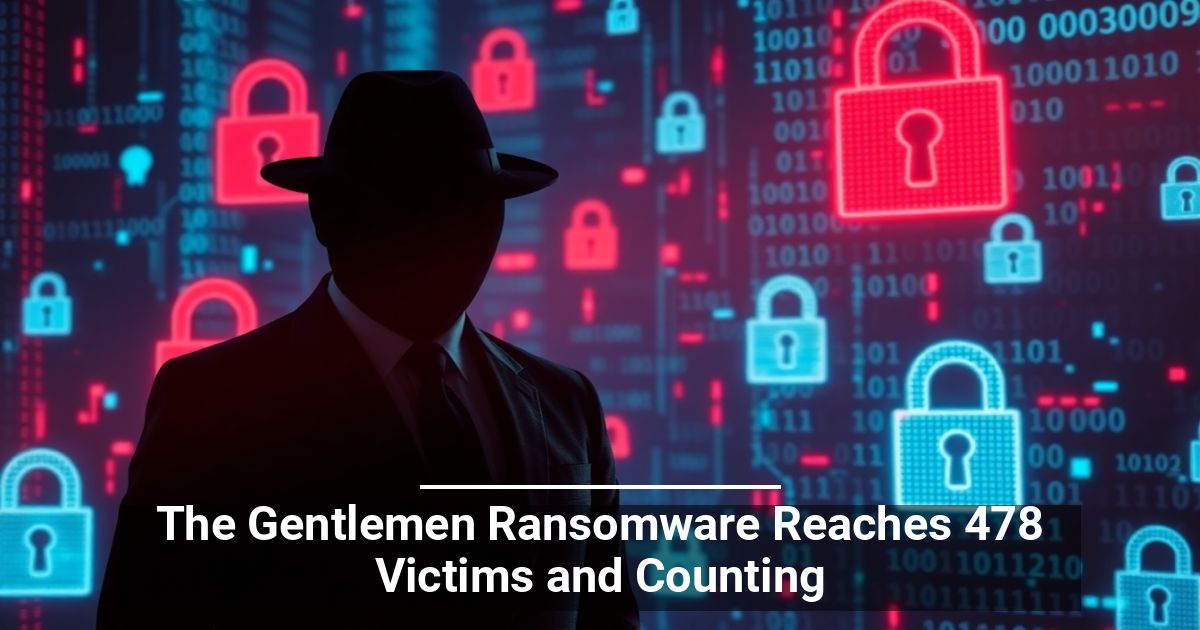
One of the newest ransomware groups making headlines is The Gentlemen, a rapidly growing cybercriminal organization responsible for attacks against organizations around the world.
Understanding how these attacks work can help your business better prepare before becoming the next target.
Who Are The Gentlemen?
The Gentlemen is a ransomware group that emerged in 2025 using a Ransomware-as-a-Service (RaaS) model.
Rather than carrying out every attack themselves, the group's operators develop the ransomware, maintain the payment infrastructure, and provide tools that other cybercriminals (known as affiliates) use to compromise businesses.
This model has made ransomware more accessible to attackers and contributed to the increase in ransomware incidents worldwide.
How a Ransomware Attack Happens
Although every attack is different, most ransomware incidents follow a similar pattern.
Initial Access
Attackers first need a way into your network.
This often happens through:
- Stolen usernames and passwords
- Phishing emails
- Unpatched software vulnerabilities
- Weak remote access security
- Compromised third-party accounts
Many organizations don't realize they've been compromised until weeks after attackers gain access.
Exploring the Network
Once inside, attackers spend time learning about your environment.
Their goal is to identify:
- File servers
- Domain administrator accounts
- Backup systems
- Financial data
- Sensitive customer information
Rather than attacking immediately, they quietly prepare for maximum impact.
Disabling Security Tools
Before deploying ransomware, attackers often attempt to disable antivirus software and security monitoring tools.
Doing so allows the ransomware to spread more quickly while reducing the chances that security teams detect the attack in time.
Encrypting Files
Once everything is in place, attackers launch the ransomware across the network.
Critical business files become encrypted and inaccessible, often bringing operations to a halt.
In many cases, businesses lose access to:
- Shared files
- Accounting systems
- Customer records
- Business applications
Double Extortion
Today's ransomware attacks rarely stop with encryption.
Groups like The Gentlemen often steal sensitive data before locking systems.
Victims are then pressured to pay twice:
- To receive the decryption key
- To prevent stolen data from being published online
Even businesses with backups may face difficult decisions if confidential information has already been stolen.
How Businesses Can Reduce Their Risk
No cybersecurity solution can guarantee complete protection, but several best practices significantly reduce the likelihood and impact of a ransomware attack.
Maintain Secure, Tested Backups
Backups remain one of the most effective defenses against ransomware.
Your backup strategy should include:
- Automated backups
- Offsite or cloud backups
- Immutable backups that cannot be altered by attackers
- Regular recovery testing
A backup that hasn't been tested may not be there when you need it most.
Keep Systems Updated
Cybercriminals frequently exploit known software vulnerabilities that have already been patched by vendors.
Regular updates help close these security gaps before attackers can take advantage of them.
This includes:
- Operating systems
- Microsoft 365
- Business applications
- Firewalls
- Network equipment
Deploy Advanced Endpoint Protection
Traditional antivirus software is no longer enough.
Modern Endpoint Detection and Response (EDR) solutions continuously monitor devices for suspicious behavior and can often detect ransomware before it spreads throughout the network.
Train Employees
Many ransomware attacks begin with a convincing phishing email.
Regular cybersecurity awareness training helps employees recognize suspicious emails, fake invoices, malicious links, and other common attack methods before they become costly mistakes.
Limit the Spread of an Attack
Network segmentation helps prevent ransomware from moving freely throughout your environment.
Separating critical systems and limiting user permissions can significantly reduce the damage if a device becomes compromised.
A Proactive Approach Is Your Best Defense
Ransomware groups like The Gentlemen continue to evolve, but the most successful attacks still take advantage of common security weaknesses such as outdated software, weak passwords, inadequate backups, and untrained employees.
Organizations that invest in proactive cybersecurity are far better positioned to prevent attacks—or recover quickly if one occurs.
At Ironside IT, we help businesses throughout South Jersey, the Greater Philadelphia area, and Delaware reduce ransomware risk through managed IT services, cybersecurity monitoring, endpoint protection, employee security awareness training, and secure backup and disaster recovery solutions.
Preparing before an attack is always easier—and far less expensive—than recovering from one afterward.