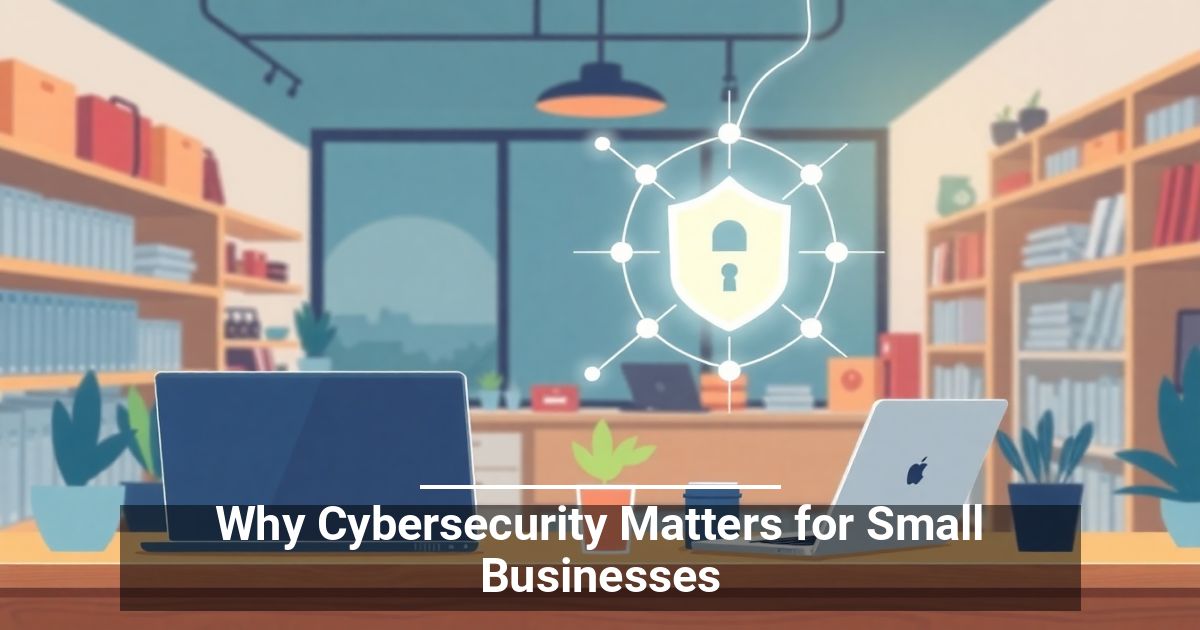
Accounting firms are trusted with some of their clients' most sensitive information. Tax returns, payroll records, financial statements, Social Security numbers, and banking information all make CPA firms attractive targets for cybercriminals.
Unfortunately, many accounting firms assume they're too small to become a target.
The reality is quite the opposite.
Cybercriminals often target small and midsize CPA firms because they know these businesses may not have the same security resources as larger organizations. A single phishing email, stolen password, or ransomware attack can disrupt operations, compromise client data, and damage the trust your firm has worked hard to build.
Why CPA Firms Are Prime Targets
Accounting firms store valuable financial information that criminals can sell, use for identity theft, or leverage for fraud.
Unlike many businesses, CPA firms often have access to:
- Tax returns
- Payroll records
- Banking information
- Social Security numbers
- Financial statements
- Business tax documents
- Personally identifiable information (PII)
For attackers, this data is extremely valuable.
That's why cybersecurity should be viewed as a business necessity—not simply an IT issue.
The Biggest Cybersecurity Threats Facing CPA Firms
Phishing Emails
Many cyberattacks begin with a convincing email that appears to come from a client, financial institution, or software vendor.
If an employee clicks a malicious link or enters their Microsoft 365 credentials into a fake login page, attackers may gain access to email accounts, sensitive documents, and client communications.
Ransomware
Ransomware remains one of the biggest threats to accounting firms.
If your systems become encrypted during tax season, your staff could lose access to tax software, client files, and financial records when they're needed most.
Without reliable backups and a disaster recovery plan, downtime can become extremely costly.
Weak Passwords
Passwords continue to be one of the easiest ways for attackers to gain access.
Using unique passwords for every account and enabling multi-factor authentication (MFA) significantly reduces the risk of unauthorized access.
Outdated Software
Cybercriminals regularly exploit known vulnerabilities in operating systems and business applications.
Keeping software updated is one of the simplest—and most effective—ways to reduce cyber risk.
What's Really at Risk?
A cybersecurity incident can affect much more than your computers.
Your firm could experience:
- Lost productivity
- Missed filing deadlines
- Stolen client financial information
- Costly downtime
- Regulatory scrutiny
- Damage to your reputation
- Loss of client trust
For accounting firms, protecting sensitive information is a critical part of maintaining long-term client relationships.
How CPA Firms Can Improve Cybersecurity
Fortunately, improving your firm's cybersecurity doesn't always require a complete technology overhaul.
Some of the most effective steps include:
Enable Multi-Factor Authentication
MFA adds an additional layer of protection by requiring employees to verify their identity before accessing business systems.
Even if a password is stolen, MFA makes it much more difficult for attackers to access your accounts.
Keep Systems Updated
Regular updates help protect your firm against known security vulnerabilities.
This includes:
- Windows computers
- Microsoft 365
- Tax software
- Firewalls
- Network equipment
- Business applications
Back Up Critical Data
Every accounting firm should maintain secure, automated backups.
Your backup strategy should include:
- Offsite or cloud backups
- Immutable backups
- Regular recovery testing
- Documented disaster recovery procedures
Backups can significantly reduce downtime if ransomware or hardware failure occurs.
Train Employees
Technology alone isn't enough.
Employees should know how to:
- Identify phishing emails
- Protect passwords
- Handle client information securely
- Report suspicious activity
- Recognize common cyber scams
Security awareness training remains one of the most effective ways to reduce cyber risk.
Conduct Regular Security Assessments
Many cybersecurity risks remain hidden until an assessment uncovers them.
Routine reviews help identify:
- Outdated software
- Weak passwords
- Excessive user permissions
- Network vulnerabilities
- Third-party security risks
Finding these issues before attackers do can prevent costly incidents.
Cybersecurity Helps Support Compliance
Many CPA firms must also demonstrate strong security practices to clients, insurance providers, and regulators.
A proactive cybersecurity strategy can help support requirements related to:
- FTC Safeguards Rule
- IRS Publication 4557
- Cyber insurance applications
- Client security questionnaires
- Data protection best practices
Strong security not only protects your firm but also gives clients confidence that their financial information is in good hands.
Protect Your CPA Firm With Proactive IT Support
At Ironside IT Partners, we help CPA firms throughout South Jersey strengthen cybersecurity, protect Microsoft 365 environments, secure client financial data, and reduce downtime through proactive managed IT services.
Whether your accounting firm is located in Gloucester County, Camden County, Burlington County, or anywhere in the Greater Philadelphia area, our team understands the unique technology and compliance challenges facing today's accounting professionals.
If you're looking for an IT partner that understands the accounting industry, we're here to help protect your firm and the clients who trust you.
Schedule A Discovery Call Here.